Narrow gauge railways in Hungary
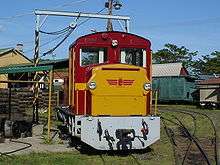
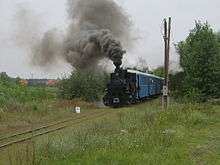
The former Austria-Hungary empire had a narrow gauge rail network thousands of kilometres in length, most of it using Bosnian gauge 760 mm (2 ft 5 15⁄16 in) or 600 mm (1 ft 11 5⁄8 in) gauge, constructed between 1870 and 1920. Landlords, mines, agricultural and forest estates established their own branch lines which, as they united into regional networks, increasingly played a role in regional passenger traffic. Following the Treaty of Trianon some railways were cut by the new border, many remained on the territory of Romania, Czechoslovakia and Yugoslavia. Due to a lack of intact roads, following World War II in many places narrow-gauge railway was the only reasonable way to get around. In 1968 the Communist government started to implement a policy to dismantle the narrow-gauge network in favour of road traffic. Freight haulage on the few remaining lines continued to decline until 1990 from when a patchwork of railways was gradually taken over by associations and forest managements for tourist purposes. State Railways operated narrow-gauge railways at Nyíregyháza and Kecskemét that played a role in regional transport until December 2009.
Most railways have a track gauge of 760 mm (2 ft 5 15⁄16 in), unless otherwise specified.
Common carrier railways
- Kecskemét narrow gauge network
- Nyíregyháza narrow gauge network
- Balatonfenyves Narrow Gauge Railway
- Mátra-Railway, 2 lines, Gyöngyös – Mátrafüred / Lajosháza
Forest railways
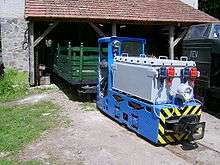
- Almamellék Forest Railway, 600 mm (1 ft 11 5⁄8 in) narrow gauge
- Csömödér Forest Railway
- Gemenc Forest Railway
- Debrecen Forest Railway
- Felsőtárkány Forest Railway, Southern Bükk Mountains, near Eger, now a tourist railway, (see below).
- Kemence Forest Museum Railway, 600 mm (1 ft 11 5⁄8 in) narrow gauge
- Királyrét Forest Railway – Kismaros
- Lillafüred Forest Railway, now a tourist railway, 2 lines Miskolc – Lillafüred – Újmassa and Miskolc – Mahóca.
- Mesztegnyő Forest Railway
- Nagybörzsöny Forest Railway – Nagyírtás
- Pálháza Forest Railway
Children's railways
- Budapest Children's railway, the 760 mm (2 ft 5 15⁄16 in) Gyermekvasút.[1][2]
- Mecsek Children's railway, Pécs
- Tiszakécske Children's railway (Suspended in 2009)
Heritage railways
- Szalajka-Eisenbahn Szilvasvarad – Szalajka-völgy, tourist railway in a national park, 5 km, part of former extensive Felsőtárkány Forest Railway
- Széchenyi Museum Railway