Turnover tax
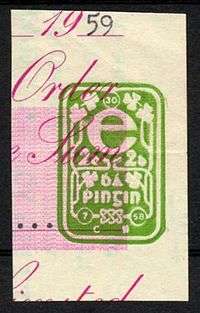
A turnover tax is similar to VAT, with the difference that it taxes intermediate and possibly capital goods. It is an indirect tax, typically on an ad valorem basis, applicable to a production process or stage. For example, when manufacturing activity is completed, a tax may be charged on some companies. Sales tax occurs when merchandise has been sold.
By country
In South Africa, the turnover tax is a simple tax on the gross income of small businesses. Businesses who elect to pay the turnover tax are exempt from VAT. Turnover tax is at a very low rate compared to most taxes, but it is calculated on gross income without any deductions.[1]
In the Republic of Ireland, turnover tax was introduced in 1963,[2] and followed by wholesale tax in 1966.[3][4] Both were replaced in 1972 by VAT,[5] in preparation for Ireland's accession to the European Communities, which prohibited turnover tax and wholesale tax.[4][6]
References
- ↑ "Turnover Tax for Small Business". South African Revenue Service. Retrieved April 14, 2011.
- ↑ "Finance Act, 1963, Section 47". Irish Statute Book. Retrieved 17 November 2014.
- ↑ "Finance (No. 2) Act, 1966, Section 2". Irish Statute Book. Retrieved 17 November 2014.
- 1 2 "Revenue Over the Years 1959 - 1967". Revenue Museum. Dublin: Revenue Commissioners. Retrieved 17 November 2014.
- ↑ "Value-Added Tax Act, 1972". Irish Statute Book. Retrieved 17 November 2014.
- ↑ "Value-Added Tax Bill, 1971 (Certified Money Bill) : Second Stage.". Seanad Éireann debates. Dublin: Oireachtas. 18 July 1972. Retrieved 17 November 2014.