Fischer–Saller scale
The Fischer-Saller Scale, named after Eugen Fischer and Karl Saller, is used in physical anthropology and medicine to determine the shades of hair color. The scale uses the following designations: [1][2][3][4]
| A |  |
very light blond |
|---|---|---|
| B to E | .jpg) |
light blond |
| F to L |  |
blond |
| M to O | _(cropped).jpg) |
dark blond |
| P to T |  |
light brown to medium brown - "chatain" |
| U to Y | 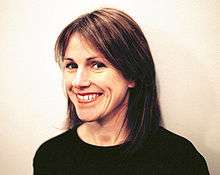 |
dark brown/black - "brunet" |
| I, II, III, IV |  |
red |
| V, VI |  |
red blond |
Earlier scale
An earlier version of the scale created by Eugen Fischer, known as the Fischer Scale, used a different range of designations:[5][2][6]
| 1-3 | red |
|---|---|
| 4 | dark-brown |
| 5 | dark-brown / brown |
| 6 | brown/ auburn |
| 7 | brown / lightbrown |
| 8 | brown / lightbrown |
| 9 | light-brown (sometimes in reddish shades) / some anthropologists call it dark-blond also |
| 10 | light-brown (sometimes in reddish shades) / some anthropologists call it dark-blond also |
| 11 | dark-blond / some anthropologists call it light-brown also |
| 12-19 | golden blond |
| 20-25 | ash-blond |
| 26 | dark ash-blond / some anthropologists call it lightbrown also |
| 27-28 | black |
See also
References
- ↑ Ubelaker, Douglas H. (July 2000). "Change in Hair Pigmentation in Children from Birth to 5 Years in a Central European Population (Longitudinal Study)". Forensic Science Communications. 2 (3).
- 1 2 Malinowski, Andrzej (1997). "Podstawy antropometrii. Metody, techniki, normy".
- ↑ "Contribution à l'anthropologie des Corses : Anthropologie de la tête (suite) - Persée". 26 February 1968.
- ↑ "Image - TinyPic - bezpłatny hosting obrazów, udostępnianie zdjęć i hosting filmów wideo".
- ↑ Coon, Carleton Stevens (1939). "The races of Europe".
- ↑ Michalski, Ireneusz (1949). "The anthropological structure of Poland in light of the Polish War Office's materials. Part I".
This article is issued from Wikipedia - version of the 11/15/2016. The text is available under the Creative Commons Attribution/Share Alike but additional terms may apply for the media files.